前言
本手冊用於說明使用FATEK M系列PLC CPU 模組時之必要資訊,
請在使用本產品前閱讀並確實瞭解本手冊之內容後再行使用。如若有任何疑問或意見,請洽詢FATEK代理經銷商保固內容和責任限制。
|
保固內容 |
|
FATEK的產品保固期是指產品自售出起約定期間內,在產品使用上無缺陷。 FATEK於上述的保固期間內,若產品因非人為因素而發生故障,請洽詢FATEK或代理經銷商,因下列事項導致故障,不屬於保固範圍內:
此外,上述保固僅限於FATEK產品本身,因產品故障所導致之相關損失並不包含在本保固範圍內。 |
|
責任限制 |
|
除非經FATEK分析後確認產品的使用、存放、安裝和維護得當且未遭污染、濫用、誤用或者不當改造或維修,否則FATEK對以任何方式與產品相關聯的特別損害、間接損害或衍生性損害、收益損失或商業損失不承擔任何責任。 |
This Manual provides important information related to the use of the FATEK M-Series PLC CPU Module.
Before using the product, be sure to read this Manual carefully in order to get familiar with and understand its content. Should you have any questions or comments, please contact the FATEK distributor for detailed warranty services and responsibility limit.
|
Warranty Service |
|
FATEK’s product warranty period means that the product will be free from defects during the agreed period from the time of sale. Please contact FATEK or the local distributor in the event failure occurs on any of the FATEK products for reasons not caused by man-made factors during the aforesaid warranty period. However, the failure due to any of the following reasons shall not be covered by the warranty services: 1. The malfunction is due to the user’s failure in following the conditions, environment, operations, installation and correct wiring method specified in this Manual. 2. The malfunction is due to the user’s failure in following the operating method originally designed. 3. The malfunction is not due to the reasons of the product. 4. The malfunction is caused by the modification and the maintenance NOT executed by FATEK. 5. The malfunction is caused by other types of force majeure factors such as natural disasters or man-made negligence. In the meantime, the aforesaid warranty services shall be limited to the FATEK product only and the losses resulting from the product failure will not be covered in the warranty scope. |
|
Limit of responsibilities |
|
Unless it has been confirmed that the product is properly used, stored, installed and serviced and that it has not been contaminated, abused, misused or improperly modified or repaired as being analyzed by FATEK; otherwise, FATEK shall not be liable for any product-related particular damage, consequential damage or derivative damage or even revenue loss or commercial loss that resulted from whatever means. |
|
Service de garantie |
|
La période de garantie du produit FATEK stipule que le produit sera exempt de défauts pendant la période convenue à compter de la date d’achat. En cas de panne d’un produit FATEK pour des raisons non liées à des facteurs externes, veuillez contacter FATEK ou le distributeur local durant la période de garantie. Cependant, les pannes causées par les raisons suivantes ne seront pas couvertes par la garantie : 1. Le dysfonctionnement résulte du non-respect par l’utilisateur des conditions, de l’environnement, des opérations, de l’installation et de la méthode de câblage indiquées dans ce manuel. 2. Le dysfonctionnement survient en raison du non-respect par l’utilisateur de la méthode de fonctionnement initialement prévue. 3. Le dysfonctionnement n’est pas attribuable à des défauts du produit. 4. Le dysfonctionnement est causé par des modifications et des maintenances NON effectuées par FATEK. 5. Le dysfonctionnement est provoqué par d’autres facteurs de force majeure tels que des catastrophes naturelles ou une négligence humaine. Les services de garantie mentionnés seront limités au produit FATEK uniquement, et les pertes résultant de la défaillance du produit ne seront pas prises en charge par la garantie. |
|
Limitation de responsabilités. |
|
Sauf confirmation que le produit a été correctement utilisé, stocké, installé et entretenu, et qu’il n’a pas été contaminé, maltraité, utilisé de manière abusive, modifié ou réparé de façon inappropriée, tel qu’analysé par FATEK ; dans ce cas, FATEK décline toute responsabilité pour tout dommage particulier lié au produit, tout dommage consécutif ou dérivé, y compris toute perte de revenus ou perte commerciale, quelle qu’en soit la cause. |
使用本產品注意事項
|
符合應用之條件 |
|
FATEK 的產品適用評估並安裝於經過全面設計的設備或系統。 請使用者自行確認目前所使用的系統、機械或是裝置是否適用於FATEK產品。如未確認是否符合或適用時,本公司無須對產品的適用性負責。 如客戶要求,FATEK 將提供相應的第三方認證來明確適用於產品的額定值和使用限制。該認證信息本身不足以完全決定FATEK產品與最終產品、機器、系統及其它應用或組合的適用性。 以下為一些必須引起特別注意的應用場合,但下述內容並非為包括所有可能的產品用途,也不表示所列用途對產品均適用:戶外使用、在遭受潛在化學污染或電氣干擾處使用、或未在本手冊中提及的條件或用途。可能對生命或財產造成風險的系統、機器和設備。 務必事先確認系統整體是否有危險告示、並採用備援設計等可確保安全性的設計,否則不得將產品用於與人身財產安全密切相關的場合。FATEK對於客戶在其應用中的產品組合或產品使用的規格、法規或限制等,不承擔任何責任。 使用本產品時,FATEK不對用戶編輯的程式或其引起的後果承擔任何責任。 |
|
Compliance with the application-related conditions |
|
The user shall evaluate the suitability of FATEK product and shall install the product in the well-designed equipment or system. The user needs to check if the system, machinery or device currently used is compatible with the FATEK product. If the user fails to confirm the compatibility or the suitability, then FATEK shall not be liable for the suitability of the product. When required by the customer, FATEK shall provide correlated third party certification to define the value rating and the application restrictions that will be applicable for the product. However, the aforesaid certification message shall not be considered as sufficient to determine the suitability of the FATEK product, the final product, the machine, the system and other applications or relevant combinations. Described below are certain applications that should be cautiously treated by the user. In spite of this, the content described below shall neither be considered as having included all of the intended product purposes nor suggesting that all of the following purposes shall be entirely suitable for the product. For example, outdoors use, use in an area subjected to potential chemical contamination or electrical interference or used under conditions or functions not mentioned in this Manual or used with the system, machine and equipment that may create risks to life or properties. Before working with the product, the user will be required to check if the entire system is marked with a hazard sign and shall select the design that can ensure the safety such as the backup design, etc. Otherwise, the user shall not be allowed to use the product in the application that will present personnel and the property safety concerns. In no event shall FATEK be liable for the specifications, statutory regulations or restrictions that will be used by the customer in the product combination or the product operations. When using this product, FATEK shall not be liable for the programs edited by the user or the resulting consequences. |
Précautions d’utilisation du produit
|
Respect des conditions liées à la candidature. |
|
L’utilisateur doit évaluer l’adéquation du produit FATEK et l’installer dans un équipement ou un système conçu de manière appropriée. Il incombe à l’utilisateur de vérifier si le système, la machine ou l’appareil actuellement utilisé est compatible avec le produit FATEK. En l’absence de confirmation de compatibilité ou d’adéquation, FATEK décline toute responsabilité à cet égard. Lorsque le client en fait la demande, FATEK fournira une certification tierce corrélée pour définir la valeur nominale et les restrictions d’application applicables au produit. Toutefois, cette certification ne doit pas être considérée comme suffisante pour établir l’adéquation du produit FATEK, du produit final, de la machine, du système et d’autres applications ou combinaisons pertinentes. Certaines applications doivent être abordées avec prudence par l’utilisateur. Par ailleurs, le contenu décrit ci-dessous ne doit pas être interprété comme incluant tous les objectifs prévus du produit, ni comme suggérant que tous les objectifs susmentionnés sont entièrement adaptés au produit. Par exemple, une utilisation en extérieur, dans des zones exposées à une contamination chimique potentielle ou à des interférences électriques, ou dans des conditions non mentionnées dans ce manuel, peut créer des risques pour la vie ou les biens. Avant d’utiliser le produit, l’utilisateur doit s’assurer que l’ensemble du système est signalé par un avertissement approprié et doit sélectionner une conception garantissant la sécurité, telle qu’une conception de secours. Dans le cas contraire, l’utilisateur ne sera pas autorisé à utiliser le produit dans des applications présentant des problèmes de sécurité pour le personnel et les biens. En aucun cas FATEK ne sera responsable des spécifications, réglementations légales ou restrictions imposées par le client lors de la combinaison de produits ou des opérations associées. Enfin, lors de l’utilisation de ce produit, FATEK ne sera pas responsable des programmes élaborés par l’utilisateur ni des conséquences qui en résultent. |
Disclaimers
|
Dimensions and weight |
|
The dimensions and the weight specified in the manual are nominal values only. Even if provided with the tolerance, they cannot be used in the manufacturing purposes. |
|
Performance data |
|
The data specified in this Manual mean that the performance data obtained under FATEK’s test conditions are provided for the user to confirm its compliance only. Therefore, the user is also required to consider the actual application conditions. Therefore, actual performance shall be defined according to the content of the guarantee and the limit of responsibilities established by FATEK. |
|
Errors and negligence |
|
The content of this Manual is provided through careful checking process and is considered as correct. However, FATEK shall not be liable for the errors or the negligence that may be found in the text, printing content and proofreading. |
|
Change of specifications |
|
The product specifications and accessories may be subject to change along with the technical improvement or other reasons. In the event that the published specifications or performance need to be changed or where significant structural change is required, FATEK will change the model number of the product accordingly. If certain specifications of the product have changed, then FATEK will not give the notice under the following situation: when it is required to use a special model number or create particular specifications in order to support the customer’s application according to the instructions given by the customer. To confirm actual specifications of the product to be purchased, please contact the local FATEK distributor. |
免責聲明
|
尺寸和重量 |
|
手冊記載的尺寸和重量僅為名義值,即使已說明了公差,也不能用於製造用途。 |
|
性能數據 |
|
本手冊中給出的這些數據僅表示在 FATEK 測試條件下的性能數據僅供用戶作為確定符合應用的參考,用戶必須將其與實際應用條件互相考慮。實際性能遵從 FATEK 保證內容和責任限制。 |
|
錯誤和疏忽 |
|
本手冊中的內容已仔細核對並認為是準確的;但對於文字、印刷和校對錯誤或疏忽不承擔任何責任。 |
|
規格變更 |
|
產品規格和附件可能會因技術改進或其它原因而隨時變更。當公佈的規格、性能改變,或者進行過重大的結構改變時,FATEK 通常會改變型號。若產品的某些規格發生變更時,以下情況不另行通知:根據客戶的要求,對客戶的應用指定特別的型號或設定特定的規格。歡迎隨時洽詢FATEK代理經銷商,確認所購產品的實際規格。 |
Avis de non-responsabilité
|
Dimensions et poids |
|
Les dimensions et le poids mentionnés dans le manuel ne constituent que des valeurs nominales. Bien qu’ils soient fournis avec une tolérance, ils ne peuvent pas être utilisés à des fins de fabrication. |
|
Données de performance |
|
Les données spécifiées dans ce manuel indiquent que les performances obtenues dans les conditions d’essai de FATEK sont fournies à l’utilisateur uniquement pour confirmer leur conformité. Par conséquent, l’utilisateur doit également prendre en compte les conditions d’application réelles. Les performances réelles doivent donc être définies en fonction du contenu de la garantie et de la limite de responsabilité établies par FATEK. |
|
Erreurs et négligences |
|
Le contenu de ce manuel est fourni suite à un processus de vérification rigoureux et est jugé correct. Toutefois, FATEK décline toute responsabilité en cas d’erreurs ou de négligence pouvant être constatées dans le texte, le contenu imprimé et la relecture. |
|
Changement de spécifications. |
|
Les spécifications et accessoires du produit peuvent être modifiés en raison d’améliorations techniques ou pour d’autres raisons. Si des modifications des spécifications ou des performances publiées s’avèrent nécessaires, ou si un changement structurel significatif est requis, FATEK ajustera le numéro de modèle en conséquence. Dans le cas de modifications des spécifications du produit, FATEK ne notifiera pas lorsque l’utilisation d’un numéro de modèle spécial ou la création de spécifications particulières est exigée pour répondre aux besoins de l’application du client, conformément aux instructions fournies par celui-ci. Pour vérifier les spécifications réelles du produit à acquérir, veuillez contacter votre distributeur FATEK local. |
安全注意事項
安全注意的標示與意義
以下標示用於本手冊中,以提供 M系列PLC安全使用所需的注意事項。安全注意事項對於安全使用產品至關重要。因此請務必閱讀、瞭解並遵守安全注意事項中的內容及意義。
|
|
警告 |
表示潛在的危險狀況,如不加以避免,將會造成死亡或嚴重傷害。此外,還可能導致嚴重的財產損失。 |

|
|
注意 |
表示潛在的危險狀況,如不加以避免,可能會造成輕度或中度傷害或財產損失。 |

|
|
該標誌表示表示應禁止執行的操作。 |
|
|
該標誌表示表示應強制執行的操作。 |
|
|
該標誌表示一般注意事項。 |
|
|
該標誌表示與灼熱表面相關的注意事項。 |
|
|
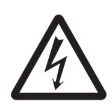
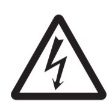
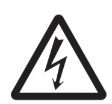
該標誌表示與電力系統接線、接地,觸電相關的注意事項。 |




|
警告 |
||
|
請勿在通電狀態下試圖拆卸任何模組或接觸模組內部,否則可能會導致觸電 |
|
|
|
請勿在通電狀態下接觸任何端子或端子台,否則可能會導致觸電。 |
|
|
|
為了確保系統安全,避免因人為外部因素或PLC故障誤動作引起異常動作,應在外部電路中(非PLC程序內部)設置以下安全措施,否則可能導致嚴重事故。 外部控制電路中必須設有緊停電路、互鎖電路、限位電路及類似的安全措施。 在執行中遇到嚴重故障報警時,PLC 會將所有輸出停止。但是,I/O控制和I/O暫存器中的錯誤及其它無法檢測的錯誤仍然會引發意外動作。為應對上述錯誤,必須設置外部安全措施以確保系統安全。 若輸出繼電器卡死、燒毀或輸出晶體管毀損,PLC 輸出可能會保持在 ON 或 OFF 狀態。 為應對上述問題,必須設置外部安全措施以確保系統安全。在系統和設備中採取相應的安全措施,即使在使用中發生通訊錯誤或誤動作,也能確保整體系統的安全。 |
|
|
|
用戶必須採取相應的故障安全措施,即使在因信號線路損壞、瞬時斷電或其它原因導致信號錯誤、丟失或異常的情況下,也能確保安全。若不採取適當的措施,則可能會因操作不當而導致嚴重事故。 |
|
|
|
注意 |
||
|
請勿在通電狀態下或在關閉電源後立即觸摸電源模組。此時電源模組溫度可能很高,會導致灼傷。 |
|
|
|
與電源模組端子台座連接時,請確實壓接合適尺寸的歐式端子,電纜線材鬆動時可能會導致電源模組燒毀或故障。 |
|
|
|
確認延長PLC周期時間不會造成任何負面影響後,方可執行線上編輯。否則可能會導致輸入訊號無法讀取。 |
|
|
|
對目的I/O端點進行安全確認後,方可向其它端點傳送PLC 設定、I/O 表、I/O 暫存器數據等參數,傳送、修改以上的數據內容可能會導致意外動作。 |
|
|
|
請使用具有SELV輸出地認證電源或經過UL60950-1、UL62368-1,或UL61010-1和UL61010-2-201 標準評估的雙重絕緣認證電源。 |
|
|








Precautions for Safety
Signs and meaning of safety precautions
The following signs will be used in this Manual in order to provide precautions that will be required for using the M-Series PLC safely. These precautions are extremely important for using the product safely. Please read the safety precautions carefully in order to get familiar with and understand the content and the meaning of the aforesaid instructions.
|
|
Warning |
Means a potentially dangerous situation that will result in death or serious injury if not avoided. In the meantime, it may also lead to serious property losses. |

|
|
Caution |
Means a potentially dangerous situation that may result in minor or medium level injury or property losses if not avoided. |

|
|
Means operations that must not be executed. |
|
|
Means operations that must be executed. |
|
|
Means general precautions. |
|
|
Means the precautions relating to hot surfaces. |
|
|
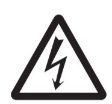
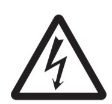
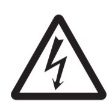
Means the precautions related to the wiring, grounding and electrocution of the electrical system. |




|
Warning |
|
|
Do not attempt to dismantle any module or touch the internal side of the module when it is under energized status or it may lead to electrocution injury. |
|
|
Do not attempt to touch any terminal or terminal board when the module is under energized status, or it may lead to electrocution injury. |
|
|
To ensure the system safety in order to avoid abnormal actions that may be caused by man-made external factors or false actions resulting from the faulty PLC, it is required to install the following safety measures in the external circuit (not within the PLC procedure); otherwise, it may lead to serious accident. The externally controlled circuit must be provided with emergency stop switch, interlocking circuit, limit switch and similar safety measures. The PLC will stop outputting the signals when encountering major failure alarm during the operations. However, the errors in the I/O controller and the I/O register as well as other undetectable errors will still trigger unexpected actions. To deal with the aforesaid errors, you are required to install external safety measures to protect the system safety. If the output relay is jammed, burnt or if the output transistor is damaged, then the PLC may still maintain its output at the ON or OFF status. To solve the aforesaid issues, it is required to install external safety measures to protect the system safety. By installing the corresponding safety measures in the system and the equipment, it allows you to maintain the safety of the entire system in spite of the fact that communication errors or false actions have occurred during the operating process. |
|
|
The user must take corresponding failure preventive measures in order to ensure safety when the signal line is damaged or when the power is instantly disconnected or when the signal is wrong, missing or abnormal as may be caused by other reasons. If failing to taking the appropriate measures, it may lead to improper operations that may result in serious accidents. |
|



|
Precautions |
|
|
Do not touch the power module when the PLC is under energized status or when the power source is disconnected. At this time, the power module might still present extremely high temperature that can cause a scorching injury. |
|
|
When connecting with the terminal board of the power module, the cable should be secured with the appropriately sized Ferrule. If the cable is loose, it may lead to burning or the failure of the power module. |
|
|
The online editing shall be allowed only after confirming that the extended PLC cycle duration will not result in any adverse impact or the system may not be able to read the input signal. |
|
|
After confirming that the I/O terminal is safe, you may transmit the required parameters to other terminals such as PLC setting, I/O table and I/O register data, etc. Otherwise, it may lead to unexpected actions if transmitting or modifying the aforesaid data before that. |
|
|
Please be sure to use certified power supply with SELV output or certified power supply providing double insulation evaluated by UL60950-1, UL62368-1, or UL61010-1 and UL61010-2-201 standards. |
|





Précautions de sécurité.
Signes et signification des précautions de sécurité
Les signes suivants seront utilisés dans ce manuel pour fournir les précautions nécessaires à l’utilisation sécurisée de l’automate de la série M. Ces précautions sont essentielles pour une utilisation sûre du produit. Veuillez lire attentivement les précautions de sécurité afin de vous familiariser avec et de comprendre le contenu et la signification des instructions mentionnées.
|
|
Avertissement. |
Désigne une situation potentiellement dangereuse pouvant engendrer la mort ou des blessures graves si elle n’est pas évitée. Par ailleurs, cela peut également entraîner d’importantes pertes matérielles. |

|
|
Prudence. |
Désigne une situation à risque potentiel pouvant entraîner des blessures mineures à modérées ou des pertes matérielles si elle n’est pas évitée. |

|
|
Signifie les opérations qui ne doivent pas être réalisées. |
|
|
Signifie les opérations à exécuter. |
|
|
Signifie précautions générales. |
|
|
Désigne les précautions concernant les surfaces chaudes. |
|
|
Désigne les précautions relatives au câblage, à la mise à la terre et à l’électrocution du système électrique. |




|
Avertissement. |
|
|
N’essayez pas de démonter un module ou de toucher le côté interne du module lorsqu’il est sous tension, car cela pourrait entraîner des blessures par électrocution. |
|
|
Évitez de toucher un terminal ou un bornier lorsque le module est sous tension, car cela pourrait entraîner des blessures par électrocution. |
|
|
Pour garantir la sécurité du système et éviter des actions anormales causées par des facteurs externes ou des erreurs résultant d’un PLC défectueux, l’installation des mesures de sécurité suivantes dans le circuit externe est impérative ; à défaut, des accidents graves pourraient survenir. Le circuit contrôlé en externe doit être équipé d’un interrupteur d’arrêt d’urgence, d’un circuit de verrouillage, d’un interrupteur de fin de course et de mesures de sécurité similaires. Le PLC cessera d’émettre des signaux en cas d’alarme de défaillance majeure durant les opérations. Cependant, les erreurs dans le contrôleur d’E/S et le registre d’E/S, ainsi que d’autres erreurs indétectables, peuvent toujours entraîner des actions inattendues. Pour y remédier, des mesures de sécurité externes doivent être mises en place pour garantir la sécurité du système. En cas de blocage, de brûlure du relais de sortie ou de dommage au transistor de sortie, le PLC peut continuer à maintenir sa sortie à l’état ON ou OFF. Il est donc crucial d’installer des mesures de sécurité externes pour protéger la sécurité du système. En intégrant ces mesures dans le système et l’équipement, vous assurerez la sécurité de l’ensemble, même en cas d’erreurs de communication ou de fausses actions durant le processus opérationnel. |
|
|
L’utilisateur doit prendre les mesures préventives appropriées afin d’assurer la sécurité en cas de dommage de la ligne de signal, de coupure instantanée de l’alimentation, ou si le signal est erroné, manquant ou anormal, en raison d’autres causes possibles. En cas de manquement à ces mesures, cela peut entraîner des opérations incorrectes susceptibles de provoquer des accidents graves. |
|



|
Précautions |
|
|
Ne touchez pas le module d’alimentation lorsque le PLC est sous tension ou lorsque la source d’alimentation est déconnectée. À ce moment-là, le module d’alimentation peut encore présenter une température extrêmement élevée pouvant causer des brûlures. |
|
|
Lors de la connexion avec le bornier du module d’alimentation, le câble doit être sécurisé avec une cosse de taille appropriée. Si le câble est mal fixé, cela peut entraîner un incendie ou la défaillance du module d’alimentation. |
|
|
L’édition en ligne ne doit être autorisée qu’après avoir confirmé que l’allongement du cycle du PLC ne causera aucun impact négatif ou que le système ne risque pas de ne pas lire le signal d’entrée. |
|
|
Après avoir confirmé que le terminal E/S est sécurisé, vous pouvez transmettre les paramètres requis à d’autres terminaux tels que les paramètres du PLC, la table E/S et les données des registres E/S, etc. Dans le cas contraire, la transmission ou la modification des données susmentionnées avant cela pourrait entraîner des actions imprévues. |
|
|
Veuillez vous assurer d’utiliser une alimentation certifiée avec sortie SELV ou une alimentation certifiėe offrant une double isolation évaluée par les normes UL60950-1 ou UL62368-1 ou UL61010-1 et UL61010-2-201. |
|





使用注意事項
使用M系列PLC時,應遵循以下注意事項。
電源使用
- 請使用手冊中規定的電源電壓。電源電壓錯誤會導致誤動作或設備燒毀。
- 連接模組數量若超過電源模組的額定電流,可能會導致 CPU 模組或其它模組無法啟動。
- 確保使用指定的電源以額定電壓和頻率進行供電。請特別注意供電不穩定的場所,供電錯誤可能會導致誤動作。
- 著手進行以下任何事項前,請務必關閉PLC的電源。否則,可能會導致誤動作或觸電。
- 安裝或拆卸電源模組、I/O 模組、CPU 模組或其它任何模組
- 連接電纜或對系統配線
- 連接或斷開連接線
- 使用電源模組時,請務必遵循以下注意事項。
- 在設備輸出處施加的電壓或連接的負載不得超過電源模組額定規格。
- 若電源模組閒置三個月以上的時間,則應將其保存在陰涼乾燥的環境中,以保持其功能的正常性。
- 如果電源模組安裝不當,則會使熱量聚積,從而可能會造成內部元件老化或損壞。請確實連接並使用標準安裝方法。
安裝
- 請勿將PLC安裝在高頻噪音干擾源附近。
- 確認端子台、連接線、記憶卡、周邊通訊連接線和其它帶卡扣裝置的部件均嵌合到位,嵌合不當會導致誤動作。
- 連接鄰近模組後,頂部或底部的卡扣必須完全鎖定(即卡入到位)。如果卡扣沒有鎖定確實,可能無法實現正確的功能。
配線
- 請遵循本手冊中的說明以正確執行配線作業。
- 在接通電源前,應仔細檢查所有的配線及開關設定。配線錯誤可能會導致設備燒毀。
- 對安裝位置進行徹底檢查後,方可安裝端子台和連接線。
- 配線時應將標籤保留在模組上。若撕去標籤,可能會因異物落入模組導致誤動作。
- 為保證散熱正常,請在配線完成後撕去標籤。保留標籤可能會導致誤動作。
- 請使用歐式端子進行配線。請勿用裸絞合線直接連接端子,線材老化斷裂可能會導致設備燒毀。
- 施加在輸入模組上的電壓不得超過額定輸入電壓,否則可能會導致設備燒毀。
- 請勿將超出最大開關容量的電壓或負載施加到輸出模組。過電壓或過載,可能會導致設備燒毀。
- 請勿過度拽拉或彎曲電纜。上述動作均可能導致電纜斷裂。
- 請勿在電纜或其它配線上放置物品,否則可能會導致電纜斷裂。
- 電源模組及通訊埠口請正確設置接地線,避免雜訊干擾造成通訊錯誤及設備誤動作。
- 建議使用M系列專用AC電源模組供給MPLC相關模組電力。
- 建議通訊電纜使用雙絞屏蔽線,並正確接地。
使用
- 開始MPLC上電操作前,應確保資料數據暫存區的設定正確無誤。
- 在著手執行以下事項前,請確認其不會對系統造成任何負面影響,否則可能會導致意外動作。
- 改變 PLC 的操作模式(RUN模式/STOP模式) ;
- 對暫存器中的任一位進行強制致能 / 強制抑能;
- 改變暫存器中的任一字或設定值的當前值。
- 請勿試圖拆解、修理或改裝任何模組,否則可能會導致誤動作、火災或觸電。
- 請勿使PLC 墜落或使其遭受過度振動或衝擊。
- 若 I/O 保持位置 ON,則當從 RUN模式切換到 STOP模式時,PLC的輸出將會置於 OFF,並將解除所有輸出動作。請確保外部負載不會在上述過程中構成危險因素。
- 當因致命錯誤導致CPU模組停止運轉時,輸出模組的所有輸出置於OFF,只有設定為保持型的記憶體配置參數,暫存器的狀態才會被保持。
- 若狀態監視頁或參數設定不當,可能會導致意外動作。即使狀態監視頁或參數設定正確,也應在啟動之前確認受控系統不會受到負面影響。
- 若在絕緣強度試驗中施加了最大電壓或使用開關突然關閉電源,可能會導致CPU模組損壞。請使用可變電阻器逐漸調高或調低電壓。
- 在執行耐壓測試或絕緣電阻測試前,應將電源模組上的線路接地端子和功能接地端子分開,否則可能會導致設備燒毀。
Precautions for Use
When using the M-Series PLC, please observe the precautions provided below.
Using the power
- Please use the voltage specified in the Manual. Incorrect voltage will lead to false action or burning damage to the equipment.
- If the number of the module being connected exceeds the current rating of the power module, you may not be able to start the CPU module or other modules.
- Please use the designated power source and then supply the power according to the specified voltage and frequency rating. Special attention should also be given to the location subjected to unsteady power supply, as incorrect power supply may result in false action.
- Before starting any of the following operations, be sure to disconnect the PLC power; or it may lead to false action or electrocution injury.
(1) When installing or dismantling power module, I/O module, CPU module or any other type of module.
(2) When connecting cables or executing the system wiring.
(3) When connecting or disconnecting the connector.
- When using the power module, be sure to observe following precautions.
(1) The voltage applied at the equipment output point or the connected load shall not be higher than the rated specifications established for the power module.
(2) If it is required to put aside the power module for over 3 months, it shall be stored in a cool and dry location in order to maintain its function at normal status.
(3) If the power module is improperly installed, it will result in the accumulation of heat as to cause the aging or the damage of the component within. Therefore, it shall be properly connected and you are also required to use the standard installation method.
Installation
- Do not install the PLC at the location near a high frequency noise interfering source.
- Confirm that the terminal board, the connector, the memory card, the peripheral communication wires and other buckle-mounted devices are latched in position. Improper latching will result in false action.
- After connecting to the adjacent module, the buckle at the top or the bottom must be securely locked (i.e., properly latched). If failing to lock the buckle tightly, the module may not be able to achieve the intended function.
Wiring
- Please follow the instructions provided in the Manual in order to execute the wiring operations correctly.
- Before connecting the power, please check the setting status of all wires and switches. Incorrect wiring may result in burning damage to the equipment.
- After checking the installation position, you may start installing the terminal board and the connector.
- During the wiring process, the label should be tagged on the module. If you tear off the label, foreign mattes may get into the module as to cause a false action.
- To ensure normal heat dissipating function, please tear off the label after completing the wiring operations. If retaining the label, it may lead to false action.
- Please use an EU-standard terminal to execute the wiring operations. Do not connect the terminal with bare stranded wires. The aging or the breaking of wires may result in burning damage to the equipment.
- The voltage applied to the input module shall not be higher than the input voltage rating or it may result in burning damage to the equipment.
- The voltage or the load applied to the output module shall not be higher than the maximum switch capacity. The over-voltage or the overload may result in burning damage of the equipment.
- Do not drag or bend the cable excessively. Such action may cause the breaking of the cable.
- Do not place any objects on the cable or other type of wires or it may cause the breaking of the cable.
- Please set the grounding wire correctly for the power module and communication port to avoid communication error and equipment malfunction caused by noise interference.
- It is recommended to use M series dedicated AC power modules to supply power to MPLC related modules.
- It is recommended to use twisted-pair shielded cables for communication cables and ground them properly.
Operating
- Before supplying power to the MPLC to start the operations, ensure that the setting of the data register is correct without any mistakes.
- Before executing any of the following tasks, confirm that it will not bring about any adverse impact on the system; otherwise, it may result in unexpected action.
(1) When changing the operating mode of the PLC (RUN Mode/STOP Mode).
(2) When executing compulsory enable/ compulsory disable for any of the data retained in the register.
(3) When changing the present value of any bit or setting that has been logged in the register.
- Do not attempt to dismantle, repair or modify any module; or it may result in false action, fire or electrocution.
- It is required to protect the PLC from falling or from excessive vibration or impact.
- If the I/O is located at the “ON” position, when switching the “RUN Mode” to the “STOP Mode,” the system will set the PLC output at the “OFF” position and then all output actions will be disabled. Please ensure that the external load will not generate hazardous factors during the aforesaid process.
- If the CPU module stops running due to catastrophic error, please set all of the output points on the output module at the “OFF” position. The output status will be retained after being set as the holding-type memory configuration parameters.
- If the status monitoring pages or the parameters are improperly set, it may result in unexpected action. Even though the status monitoring pages or the parameters are correct, it is also required to confirm that the controlled system will not be subject to adverse impact before starting.
- When applying maximum level of voltage or when the power supplied to the operating switch is interrupted suddenly during the Insulation Strength Test, it may result in the damage of the CPU module. In this case, please use the variable resistor to increase or reduce the voltage level gradually.
- Before conducting the Withstand Voltage Test or the Insulation Resistance Test, please separate the wire grounding terminal of the power module from the functional grounding terminal. Otherwise, it may result in burning damage to the equipment.
Précautions d’utilisation
When using the M-Series PLC, please observe the precautions provided below.
Utilisation de l’alimentation
- Veuillez utiliser la tension spécifiée dans le manuel. Une tension incorrecte entraînera un dysfonctionnement ou des dommages par surchauffe de l’équipement.
- Si le nombre de modules connectés dépasse la capacité nominale du module d’alimentation, il se peut que vous ne puissiez pas démarrer le module CPU ou d’autres modules.
- Veuillez utiliser la source d’alimentation désignée, puis fournir l’alimentation en respectant la tension et la fréquence spécifiées. Une attention particulière doit être accordée aux emplacements soumis à une alimentation instable, car une alimentation incorrecte peut entraîner un dysfonctionnement.
- Avant de commencer l’une des opérations suivantes, assurez-vous de déconnecter l’alimentation du PLC ; sinon, cela pourrait entraîner un dysfonctionnement ou un risque d’électrocution.
(1) Lors de l’installation ou du démontage du module d’alimentation, du module E/S, du module CPU ou de tout autre type de module.
(2) Lors de la connexion des câbles ou de l’exécution du câblage du système.
(3) Lors de la connexion ou de la déconnexion du connecteur.
- Lors de l’utilisation du module d’alimentation, veillez à respecter les précautions suivantes :
(1) La tension appliquée au point de sortie de l’équipement ou à la charge connectée ne doit pas dépasser les spécifications nominales établies pour le module d’alimentation.
(2) Si le module d’alimentation doit être mis de côté pendant plus de 3 mois, il doit être stocké dans un endroit frais et sec afin de maintenir son bon fonctionnement.
(3) Si le module d’alimentation est mal installé, cela entraînera une accumulation de chaleur, pouvant provoquer le vieillissement ou des dommages aux composants internes. Il doit donc être correctement connecté, et vous devez utiliser la méthode d’installation standard.
Installation
- N’installez pas le PLC à proximité d’une source d’interférences à haute fréquence.
- Confirmez que la carte de connexion, le connecteur, la carte mémoire, les fils de communication périphériques et les autres dispositifs montés avec des attaches sont bien verrouillés en position. Un verrouillage incorrect entraînera une action erronée.
- Après avoir connecté le module adjacent, la boucle située en haut ou en bas doit être solidement verrouillée (c’est-à-dire correctement enclenchée). Si la boucle n’est pas bien verrouillée, le module pourrait ne pas remplir la fonction prévue.
Câblage
- Veuillez suivre les instructions fournies dans le manuel pour exécuter correctement les opérations de câblage.
- Avant de connecter l’alimentation, veuillez vérifier l’état de tous les fils et interrupteurs. Un câblage incorrect peut entraîner des dommages par combustion de l’équipement.
- Après avoir vérifié la position d’installation, vous pouvez commencer à installer la carte de connexion et le connecteur.
- Pendant le processus de câblage, l’étiquette doit être apposée sur le module. Si vous retirez l’étiquette, des corps étrangers peuvent pénétrer dans le module et provoquer une mauvaise action.
- Pour assurer une dissipation thermique normale, veuillez retirer l’étiquette après avoir terminé les opérations de câblage. Si l’étiquette est conservée, cela peut entraîner une mauvaise action.
- Veuillez utiliser un terminal conforme aux normes de l’UE pour exécuter les opérations de câblage. Ne connectez pas le terminal avec des fils nus. Le vieillissement ou la rupture des fils peuvent entraîner des dommages par combustion de l’équipement.
- La tension appliquée au module d’entrée ne doit pas dépasser la tension nominale d’entrée, sinon cela pourrait entraîner des dommages par combustion de l’équipement.
- La tension ou la charge appliquée au module de sortie ne doit pas dépasser la capacité maximale de commutation. Une surtension ou une surcharge peut entraîner des dommages par combustion de l’équipement.
- Ne tirez pas ou ne pliez pas excessivement le câble. Cela peut provoquer la rupture du câble.
- Ne placez aucun objet sur le câble ou sur d’autres types de fils, cela pourrait entraîner la rupture du câble.
- Veuillez bien mettre en place le fil de mise à la terre pour le module d’alimentation et le port de communication afin d’éviter les erreurs de communication et les dysfonctionnements de l’équipement causés par des interférences parasites.
- Il est recommandé d’utiliser des modules d’alimentation CA dédiés de la série M pour alimenter les modules liés au MPLC.
- Il est recommandé d’utiliser des câbles blindés à paires torsadées pour les câbles de communication et de les mettre correctement à la terre.
Exploitation
- Avant de fournir de l’énergie au MPLC pour démarrer les opérations, assurez-vous que les paramètres du registre de données sont corrects sans erreurs.
- Avant d’exécuter l’une des tâches suivantes, confirmez que cela n’aura pas d’impact négatif sur le système ; sinon, cela pourrait entraîner une action imprévue :
(1) Lors du changement du mode de fonctionnement du PLC (Mode RUN/Mode STOP).
(2) Lors de l’activation/désactivation forcée des données conservées dans le registre.
(3) Lors du changement de la valeur actuelle de tout bit ou paramètre enregistré dans le registre.
- N’essayez pas de démonter, réparer ou modifier un module ; cela pourrait entraîner une mauvaise action, un incendie ou une électrocution.
- Il est nécessaire de protéger le PLC des chutes, des vibrations excessives ou des chocs.
- Si l’I/O est en position "ON", lorsque vous passez du "Mode RUN" au "Mode STOP", le système mettra la sortie du PLC en position "OFF" et toutes les actions de sortie seront désactivées. Assurez-vous que la charge externe ne génère pas de facteurs dangereux pendant ce processus.
- Si le module CPU cesse de fonctionner en raison d’une erreur catastrophique, veuillez mettre tous les points de sortie du module de sortie en position "OFF". L’état de sortie sera conservé après avoir été défini en tant que paramètres de configuration de mémoire de type conservé.
- Si les pages de surveillance d’état ou les paramètres sont mal configurés, cela peut entraîner une action imprévue. Même si les pages de surveillance d’état ou les paramètres sont corrects, il est également nécessaire de confirmer que le système contrôlé ne sera pas affecté avant de démarrer.
- Lors de l’application du niveau maximal de tension ou lorsqu’il y a une coupure soudaine de l’alimentation de l’interrupteur de fonctionnement pendant le test de résistance d’isolation, cela peut endommager le module CPU. Dans ce cas, utilisez un rhéostat pour augmenter ou réduire progressivement le niveau de tension.
- Avant de réaliser un test de tension de tenue ou un test de résistance d’isolation, veuillez séparer la borne de mise à la terre du module d’alimentation de la borne de mise à la terre fonctionnelle. Sinon, cela pourrait entraîner des dommages par combustion de l’équipement.
運行環境注意事項
- 請遵循本手冊中的說明以正確執行安裝作業。
- 請勿在下列場所運行控制系統:
- 陽光直射處
- 溫度或濕度超出規格中規定範圍的場所
- 由於溫度急劇變化易造成結露現象的場所
- 存在腐蝕性氣體或易燃性氣體的場所
- 存在粉塵(尤其是鐵屑)或煙霧的場所
- 暴露於水、油類或化學品的場所
- 易受衝擊或振動的場所
- 將系統安裝在下列場所時,應採取適當和有效的預防措施:
- 存在靜電或其它形式噪音的場所
- 存在強電磁場的場所
- 可能暴露於放射性污染的場所
- 靠近動力電源的場所
Precautions for the Application Environment
- Please follow the instructions described in this Manual for carrying out the installation activities correctly.
- Do not operate the control system in any of the following locations:
(1) The location exposed to direct sunlight.
(2) The location with temperature or humidity exceeding the specified range.
(3) The location vulnerable to dewing effect due to abrupt temperature changes.
(4) The location exposed to corrosive or combustible gases.
(5) The location exposed to dust (especially iron chips) or smoke.
(6) The location exposed to water, oil or chemicals.
(7) The location vulnerable to impact or vibration.
- When installing the system in any of the following locations, appropriate and effective preventive measures should be taken:
(1) The location exposed to electrostatic or other type of noise.
(2) The location exposed to strong electromagnetic field.
(3) The location that may be exposed to radioactive pollution.
(4) The location near the power supply source.
Précautions pour l’environnement d’application
- Veuillez suivre les instructions décrites dans ce manuel pour effectuer correctement les activités d’installation.
N’utilisez pas le système de contrôle dans l’un des lieux suivants :
(1) Un endroit exposé à la lumière directe du soleil.
(2) Un endroit où la température ou l’humidité dépasse les limites spécifiées.
(3) Un endroit sujet à la condensation en raison de changements brusques de température.
(4) Un endroit exposé à des gaz corrosifs ou inflammables.
(5) Un endroit exposé à la poussière (en particulier des copeaux de fer) ou à la fumée.
(6) Un endroit exposé à l’eau, à l’huile ou à des produits chimiques.
(7) Un endroit sujet aux chocs ou aux vibrations.
- Lors de l’installation du système dans l’un des endroits suivants, des mesures préventives appropriées et efficaces doivent être prises :
(1) Un endroit exposé à des décharges électrostatiques ou à d’autres types de parasites.
(2) Un endroit exposé à un champ électromagnétique fort.
(3) Un endroit susceptible d’être exposé à une pollution radioactive.
(4) Un endroit proche d’une source d’alimentation.
提示:按 ← → 切換章節,Ctrl+K 搜尋